
Five Things to Do If Your Car Is Badly Parked and Blocking Traffic in Malaysia
The real cost of bad parking in Malaysia: fines, towing, and sometimes a crowd of strangers moving your car for you.
When Malaysians Take Matters Into Their Own Hands
A video went viral this week showing a group of Malaysians physically lifting a badly parked car to clear a gridlock. According to NST Online, the incident involved at least eight people coordinating to shift the vehicle just enough to let traffic flow again. It's the kind of scene that gets shared thousands of times—part frustration, part community spirit, all very Malaysian.
But here's the thing: if your car is the one blocking traffic, you don't want to be that person. Whether you misjudged a tight spot, had an emergency, or simply didn't think it through, a badly parked car can escalate fast. Here's what you should actually do—and what to avoid—if you find yourself in this situation.
1. Move It Immediately If You're Still Around
This sounds obvious, but panic makes people freeze. If you realise your car is blocking a lane, a junction, or someone's driveway, get back to it and move it. Now.
Don't wait for a council officer to show up. Don't assume "just five minutes" is fine. In Kuala Lumpur, Petaling Jaya, and other major cities, tow trucks patrol high-traffic zones daily. DBKL and MBPJ have been known to tow within 15 minutes of a complaint, especially during peak hours.
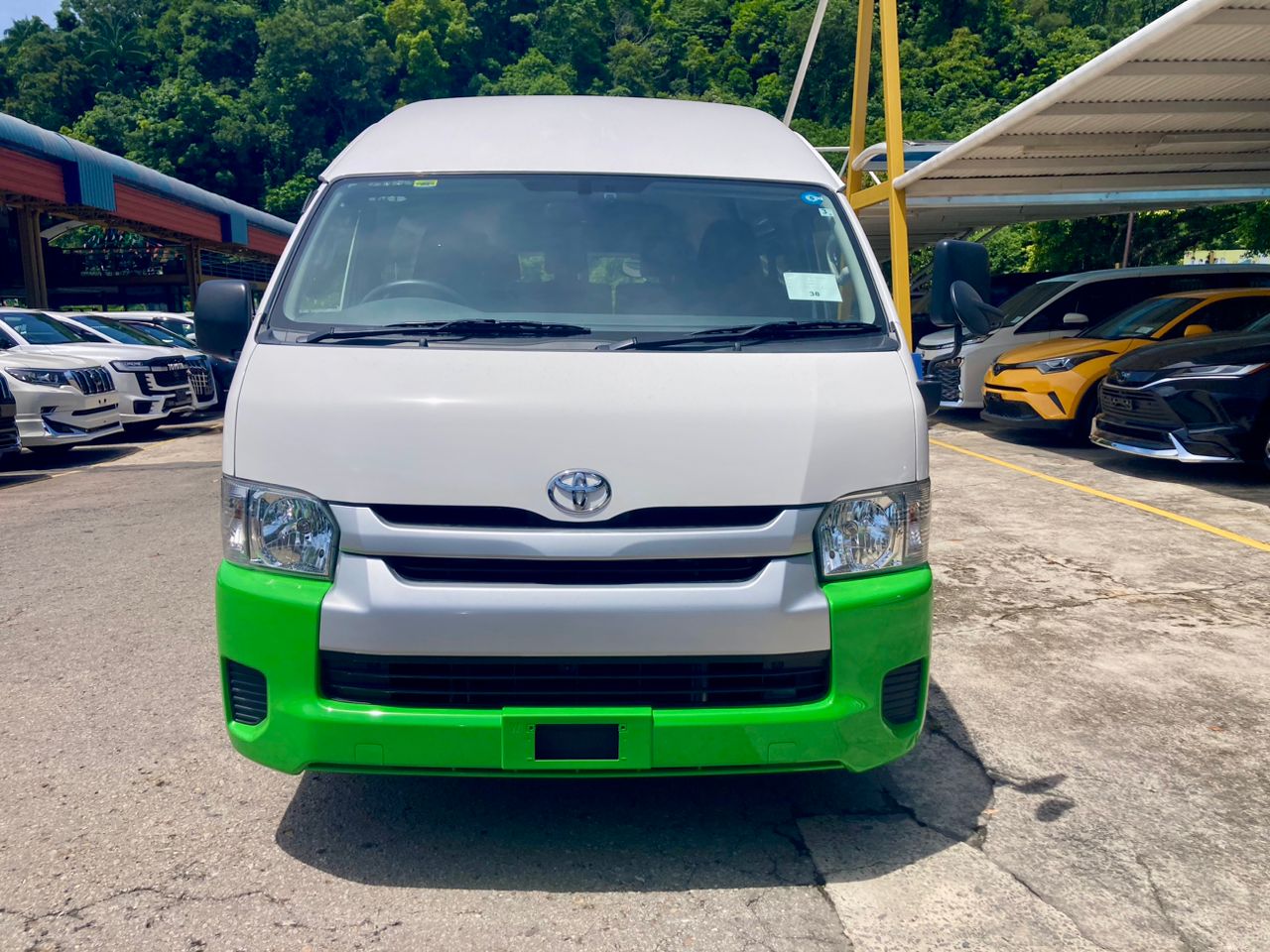
If you're driving something large—say, a Toyota Hiace (which medians RM70,550 in the used market, according to Urban Auto Hub's live price index in May 2025) or a Toyota Vellfire—you already know tight spaces are tricky. Double-check your mirrors and give yourself room to reverse without blocking others.
2. Leave a Contact Number Visible on Your Dashboard
If you absolutely must park in a marginal spot for a genuine emergency—medical, family, breakdown—leave a handwritten note with your phone number on the dashboard where it's visible from outside.
This won't stop a tow truck if you're blocking a fire lane or a bus stop, but it can buy you a few minutes if a frustrated driver or security guard tries to reach you first. Make the number legible. Use a marker, not a ballpoint pen.
Some drivers tape a business card to the windscreen. That works too, as long as it includes a mobile number that you'll actually answer.
What Not to Do
Don't leave your hazard lights on and walk away for an hour. Hazards signal a temporary stop—engine trouble, a quick drop-off. They don't grant you immunity from parking rules. Council enforcement officers see this trick daily and ignore it.
3. Know the Towing and Compound Fees in Your Area
If your car does get towed, the clock starts ticking. In Kuala Lumpur, DBKL's standard compound for illegal parking is around RM100 to RM150, but towing adds another RM150 to RM200. Storage fees kick in after 24 hours—usually RM10 to RM20 per day.
Petaling Jaya (MBPJ), Subang Jaya (MBSJ), and Shah Alam (MBSA) have similar structures, though rates vary slightly. If you don't collect your car within a week, you're looking at RM300+ just in storage, on top of the initial fine and tow.
Check your local council's website or call their hotline the moment you discover your car is missing. Don't assume it was stolen—towed cars end up in designated depots, and you'll need your IC, vehicle grant, and cash (some depots don't take cards).
4. Use Technology to Avoid the Problem Altogether
Prevention beats damage control. If you're hunting for parking in a congested area, use apps like ParkEasy, Flexi Parking, or even Google Maps to find legitimate spots nearby. Yes, you might walk an extra two minutes. That's still faster than arguing with a tow-truck driver.
For those upgrading to a larger vehicle—maybe a Toyota Harrier (median asking RM145,888) or even a Toyota Land Cruiser 300 (median asking RM411,000, per Urban Auto Hub's live price index in May 2025)—factor in parking dimensions before you buy. A 5.1-metre SUV won't fit in every city basement or roadside bay that a sedan will.
Our free valuation tool can help you compare models and their real-world trade-in values, but it won't tell you if your dream car will fit in your condo's parking lot. Measure that yourself.
5. Understand When "Badly Parked" Becomes a Legal Liability
Blocking traffic isn't just annoying—it can be illegal under the Road Transport Act 1987. Section 48 covers obstruction, and fines can reach RM2,000 for repeat offenders or cases that cause accidents.
If your parked car contributes to a collision—say, someone swerves to avoid it and hits another vehicle—you could be held partially liable. Insurance claims get messy when obstruction is involved, and your premium will feel it next year.
Even if no accident occurs, a badly parked car that blocks emergency vehicles (ambulance, fire truck) can result in heavier penalties. Councils and police take this seriously, especially after high-profile cases where response times were delayed.
From the moment you walk away to the moment your car is on a flatbed: the timeline is shorter than most drivers think.
What If You're the One Blocked In?
Flip the scenario: someone else's car is blocking yours. First, check for a contact number on their dashboard. If there is one, call it. Give them five minutes to respond.
If there's no number or no answer, call your local council's enforcement hotline (DBKL: 03-2691 6000; MBPJ: 03-7954 2020). Don't call the police unless the obstruction is causing a genuine traffic hazard—they'll redirect you to the council anyway.
Do not, under any circumstances, damage the other car to "teach them a lesson." Scratching paintwork, deflating tyres, or blocking them in further can land you in legal trouble, and your own insurance won't cover vandalism you commit.
The Viral Lift: Last Resort, Not First
As for the viral video of Malaysians lifting a car? It's impressive community coordination, but it's also risky. Cars weigh 1,200 to 2,000 kg. One slip, and someone's fingers—or worse—are under a tonne of metal. If you're in a group that's considering it, ask yourself: is this worth a hospital visit?
Call the council. Wait for the tow truck. Let the professionals handle it.
Before You Buy: Think About Where You'll Actually Park It
If you're shopping for a used SUV or MPV—say, a Toyota Hilux (median asking RM85,000, per Urban Auto Hub's live price index in May 2025) or a Subaru BRZ (median asking RM135,500)—think hard about your daily parking reality. Do you have a dedicated bay at home? Does your office have open-air or basement parking? Will you be circling Pavilion for 20 minutes every weekend?
Larger vehicles offer space and presence, but they demand more from you as a driver. Tight city parking isn't forgiving, and a single bad park can cost you RM300 in fines or a day of your time retrieving your car from a depot in Setapak.
Our hire-purchase calculator can show you monthly payments, but it won't show you the hidden cost of parking stress. Factor that in before you sign.
The Bottom Line
Bad parking happens. Emergencies happen. But leaving your car in a spot that blocks others—and then disappearing—turns a mistake into a problem that strangers have to solve for you. Whether that's a tow truck, a council officer, or eight fed-up Malaysians lifting your Myvi, the outcome is never good for your wallet or your reputation.
Park smart. Leave a number if you must. And if you're upgrading to something bigger, measure twice and park once. Your fellow road users—and your bank account—will thank you.
Looking to trade in that car that's too big for your parking spot? Get a free, no-obligation valuation at Urban Auto Hub's car valuation tool and see what it's worth today. We connect you with licensed dealers nationwide—we never buy or sell directly, but we'll help you find the right partner for your next move.